
Make homemade panko-style breadcrumbs by grating crustless white bread and drying the flakes in a 300°F oven. Keep them on hand for breading fish, coating vegetables, or topping casseroles when you don't have packaged panko.
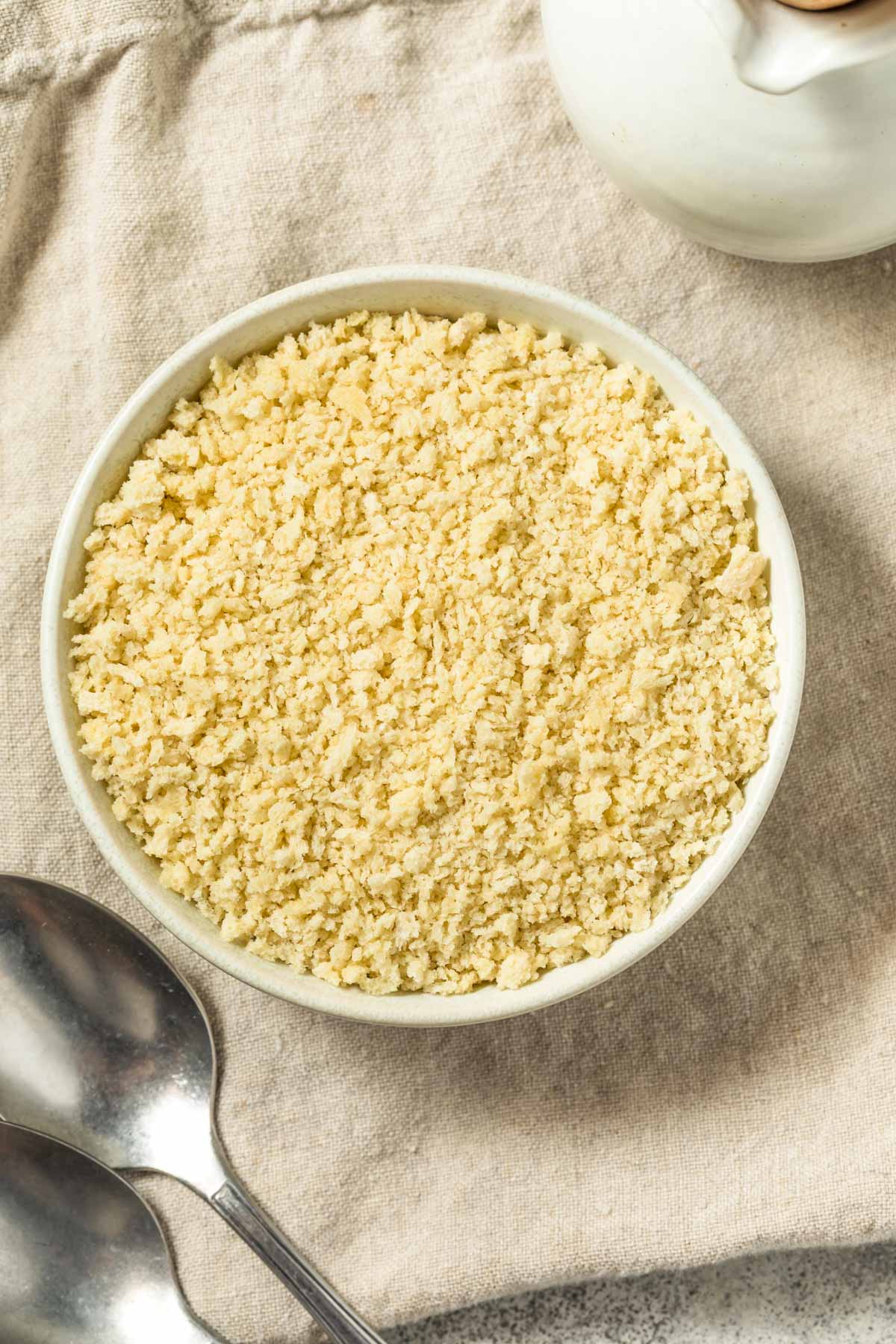
What is Panko?
Panko is a Japanese-style breadcrumb with coarse, airy flakes. It makes a light, crisp coating and is also useful as a topping for baked dishes.
This home method makes a panko-style substitute from ordinary white bread. Grating the bread before drying keeps the pieces larger and more irregular than finely ground breadcrumbs.
Panko vs. Regular Bread Crumbs
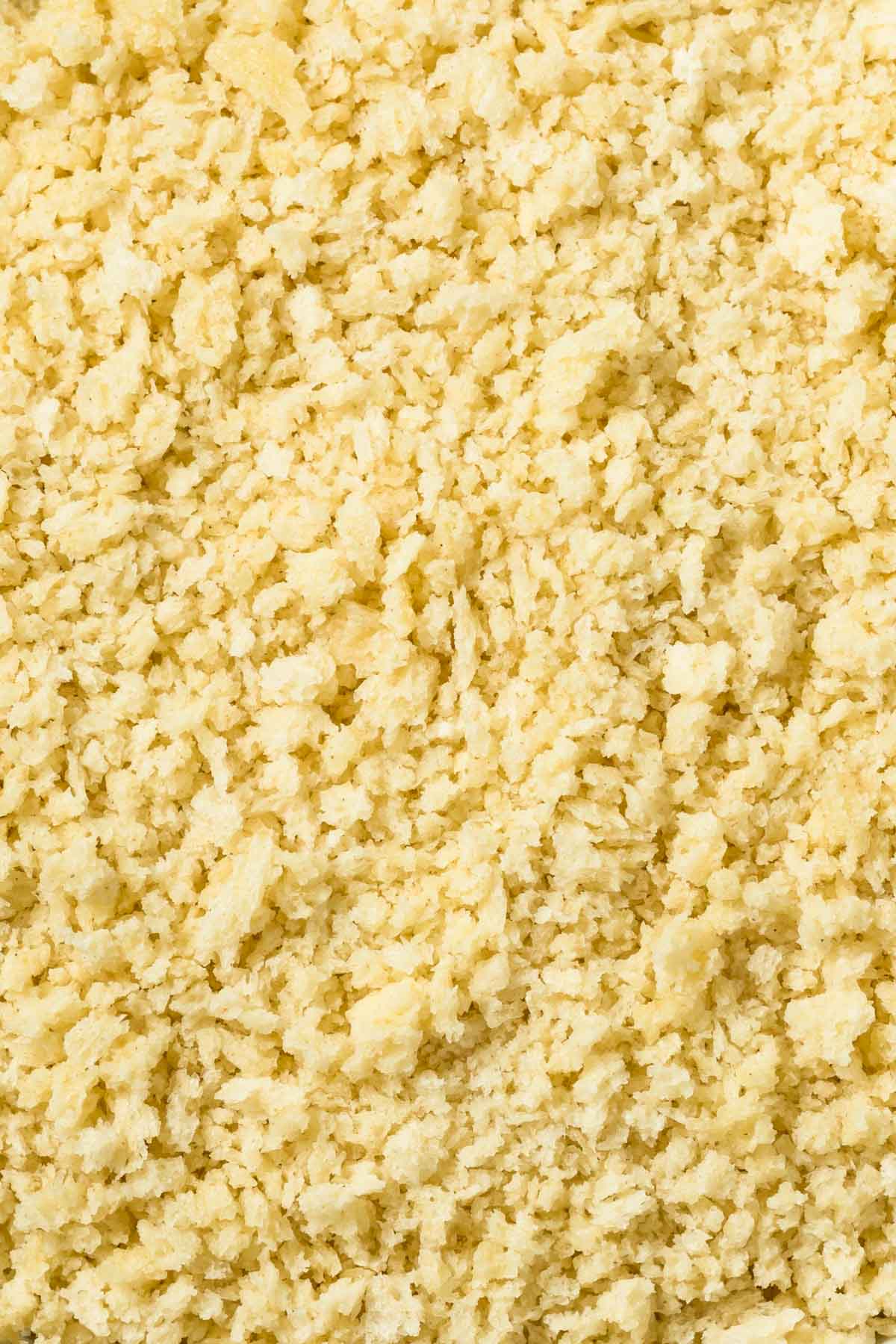
The main difference is the texture. Panko has larger, irregular flakes; regular dry breadcrumbs are generally ground finer and often include the crust. For this homemade version, I remove the crusts and grate the bread to keep that coarser texture.
- Texture: Panko fries up light and very crispy; regular breadcrumbs give a more compact crust.
- Oil absorption: Because panko is flakier, it soaks up less oil during frying, so fried foods come out less greasy.
- Color: Keep the crumbs pale while drying them. They can turn golden when toasted, baked, or fried.
You can usually swap one for the other, but keep in mind that regular breadcrumbs will give you a finer, more compact coating.
These coarse homemade crumbs are a useful substitute when you don't have packaged panko.
I make a batch when I have leftover white bread and keep it plain so I can season it for the dish I'm cooking. A coarse crumb works for breading, while smaller flakes are useful for casserole toppings.
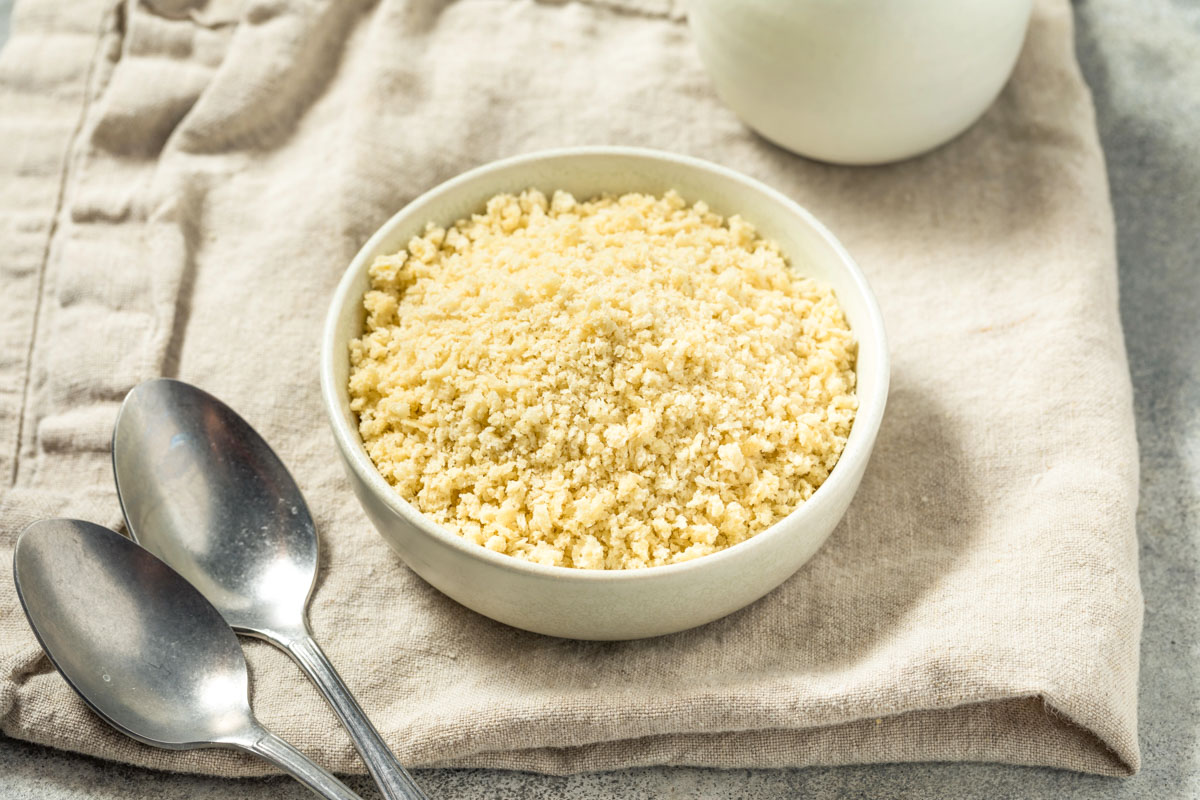
Ingredients
To make panko breadcrumbs, you'll need the following ingredients:
- White bread: Day-old bread grates cleanly. Very soft, fresh bread can turn doughy if processed too long, so I let the loaf firm up for a day or two first. Use bread without any signs of mold.
- Seasonings: Seasonings are optional. You may want to make Italian panko by adding dried herbs, salt, or spices.
That's it for the ingredients list, but measurements are provided in the recipe card below.
How to Make Panko Breadcrumbs
- Remove the crust: Take the crust off the bread. To reduce waste, cut as close to the edge as possible, cut crusts into cubes, and toast with olive oil and seasonings to make croutons.
- Grate: I use the food processor's shredding disc for sliced bread because it's faster and gives me more even flakes. A box grater's medium or large holes work well for larger pieces from an unsliced loaf.
- Dry: Spread the flakes in a thin, single layer on a light-colored, parchment-lined baking sheet. Use a second sheet if they're crowded. Dry in a 300°F oven, stirring once halfway through. Start checking at 6 minutes; thicker or moister flakes may need longer. They're done when dry and crisp throughout, rather than soft, and should still be pale.
- Cool: Transfer the crumbs to a platter or cool baking sheet and let them cool completely. Warm crumbs release moisture and can soften again if sealed in a container.
Recipes that use Panko Breadcrumbs
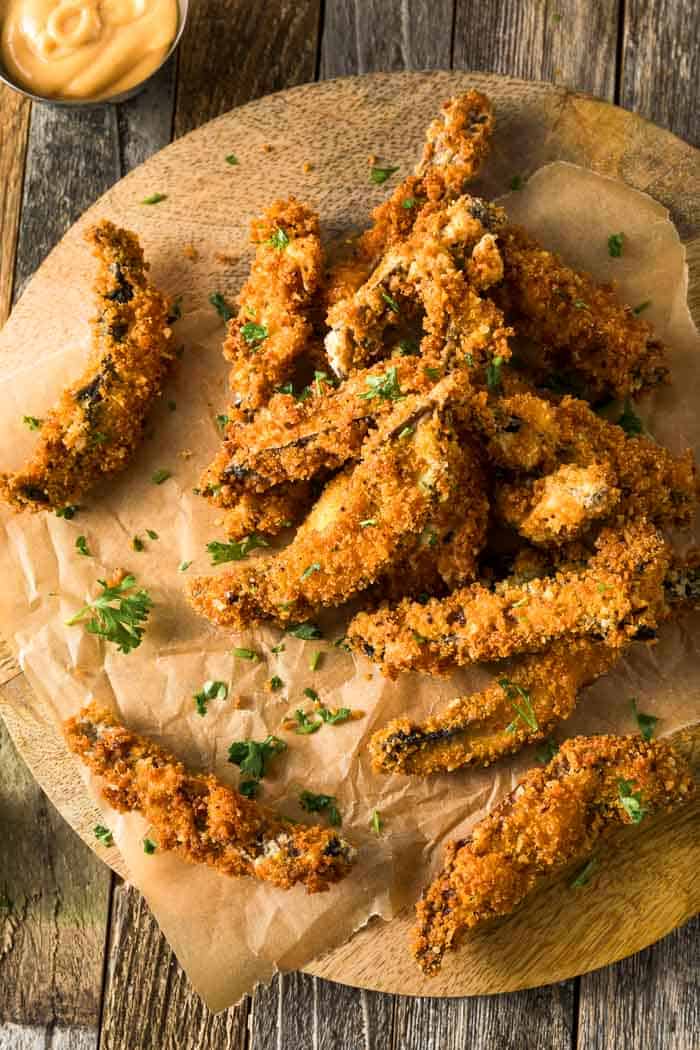

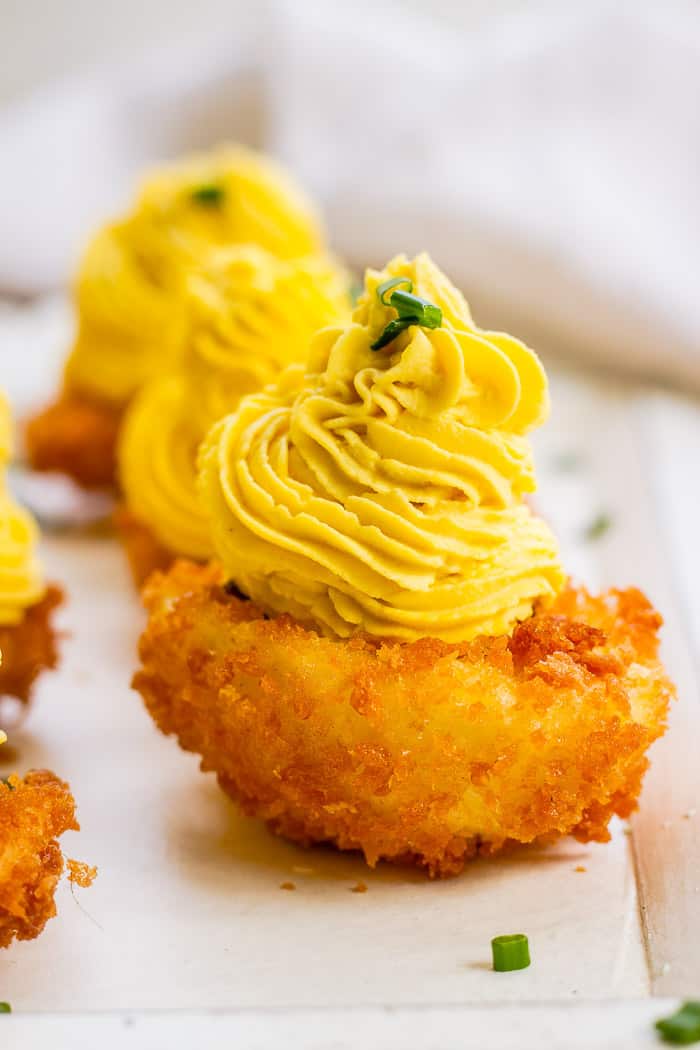
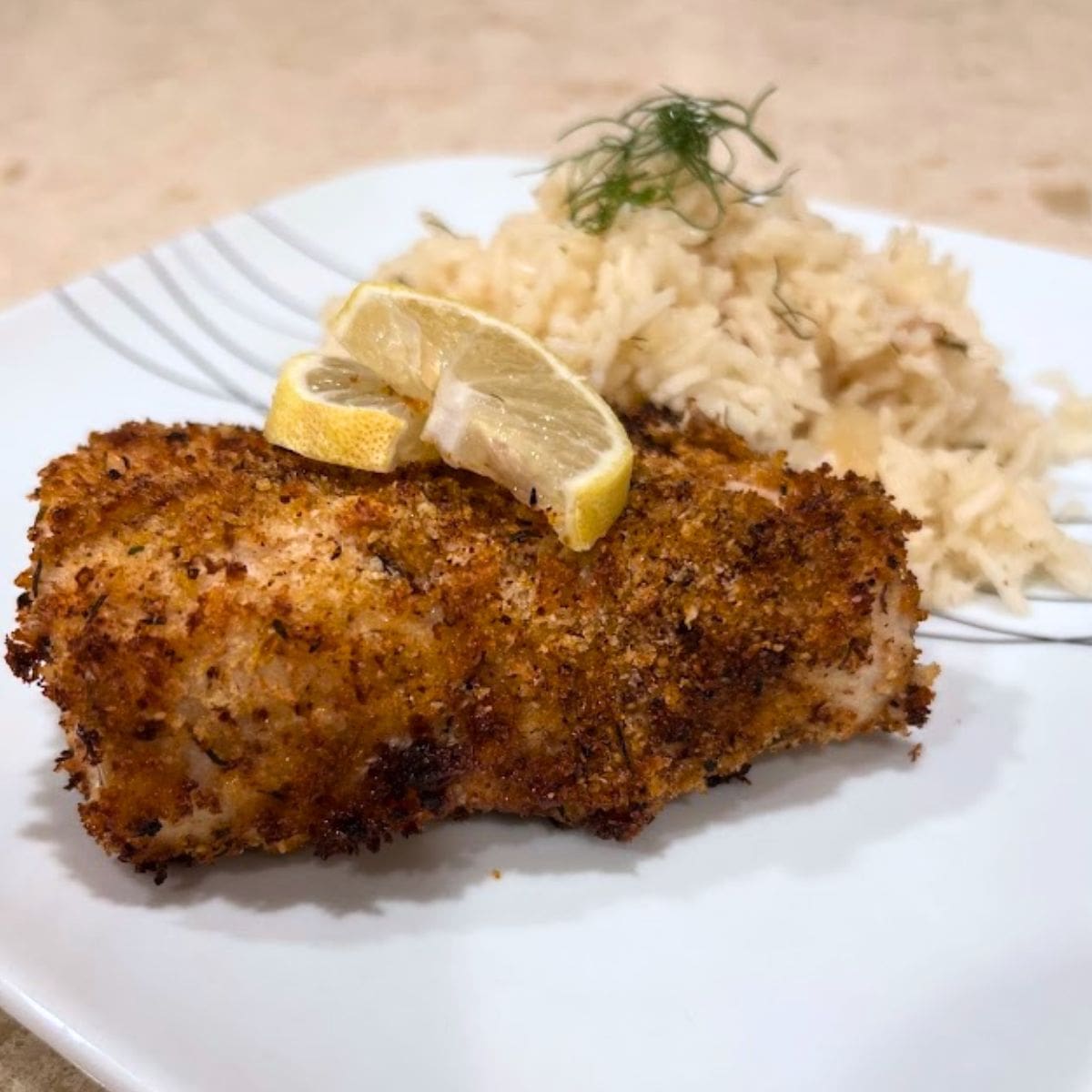
These crumbs also make a crisp topping for seafood mac and cheese. Toss them with melted butter as directed in that recipe before sprinkling them over the pasta.
Variations, Substitutions, and Tips
- Go gluten-free: Use your favorite loaf of gluten-free white bread for gluten-free panko breadcrumbs.
- Firm up soft bread: If the bread is too soft to grate, freeze it briefly until firm enough to handle.
- Flake size: Keep the flakes coarse for breading; use smaller crumbs for casserole toppings.
- Lightly toast: For a golden topping or a coating that cooks quickly, lightly toast the dried crumbs just before using. Watch closely so they don't burn during the final cooking.
- Add seasonings: We used these crumbs for Cajun panko-crusted mahi mahi, adding Cajun seasoning and Parmesan just before breading the fish. Keep stored crumbs plain, and taste salty seasoning blends before adding extra salt.
Storage Tips
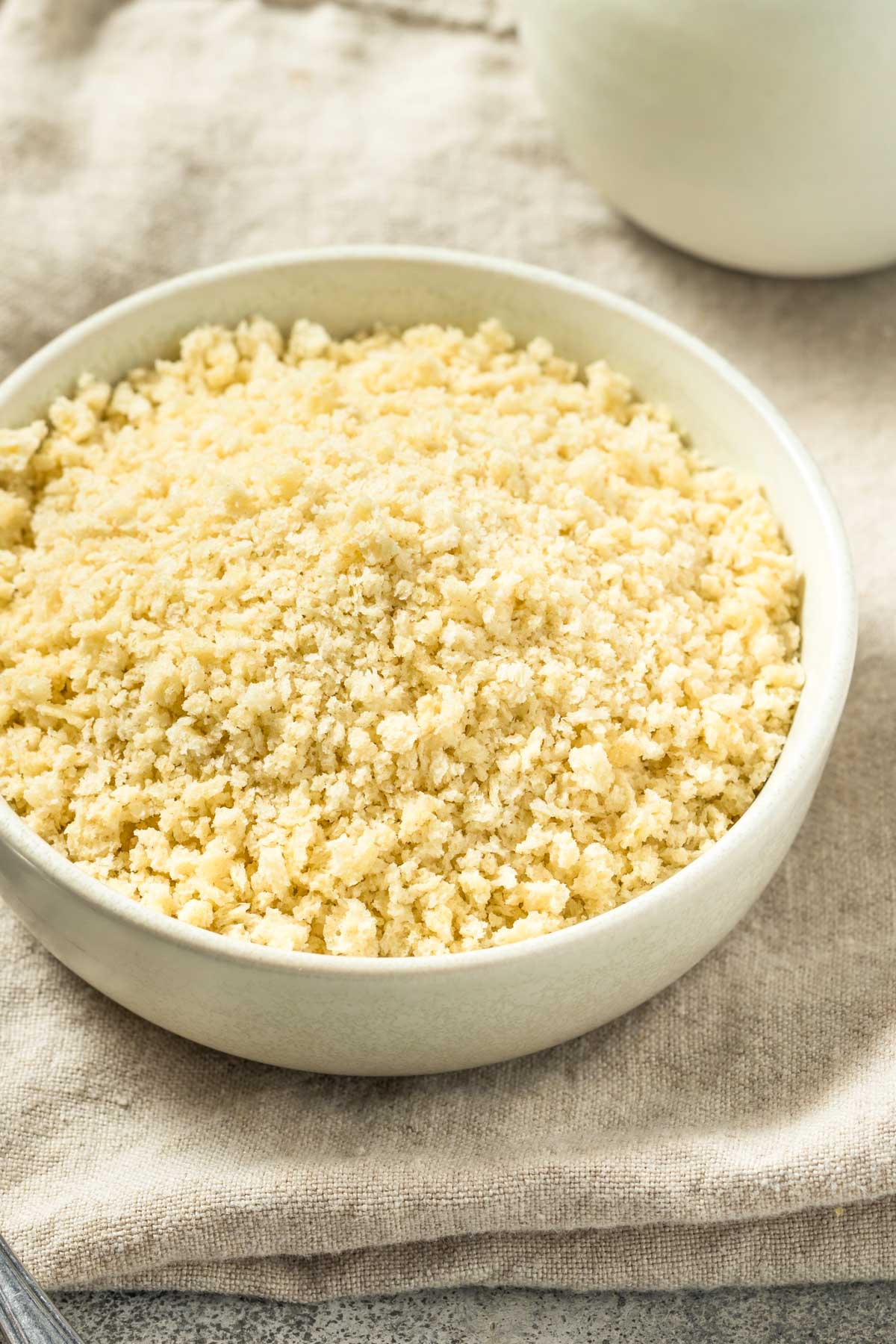
Cool the plain, dried crumbs completely, then seal them in an airtight container. I keep them in a cool, dry cupboard for up to 2 weeks. Add cheese and other perishable ingredients only when you're ready to use them.
I haven't tested freezing this homemade batch, so I stick to room-temperature storage. If the crumbs become damp or show signs of mold, discard them.
Panko Breadcrumb Questions
Are panko breadcrumbs gluten-free? Standard panko made from wheat bread contains gluten. For a gluten-free version, use gluten-free white bread and clean equipment. Different loaves can produce a different crumb texture and drying time.
Can I use regular breadcrumbs instead of panko? Usually, but the coating will be finer and more compact. For breading or toppings, start with the same volume and adjust as needed. Follow the original recipe's measurements when breadcrumbs are used as a binder in meatballs or meatloaf.
Can I make panko without a food processor? Yes. Use the medium or large holes of a box grater with firm, crustless bread. Grate larger pieces carefully and stop before your fingers get close to the grater.
Homemade Panko Breadcrumbs
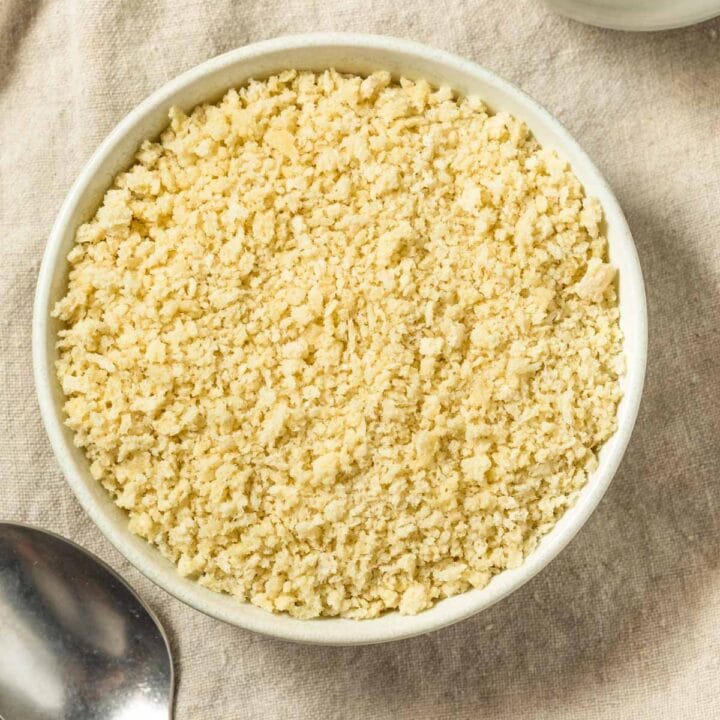
Turn white bread into coarse, flaky panko-style breadcrumbs with a grater and a low oven. Keep them plain for breading fish, coating vegetables, or topping casseroles.
Ingredients
- 12 ounces day-old white bread, crusts removed
Instructions
- Preheat the oven to 300°F. Line a light-colored baking sheet with parchment paper.
- Remove the bread crusts. Grate larger pieces using the medium or large holes of a box grater, or use a food processor fitted with a shredding disc. Keep the flakes coarse rather than grinding them into fine crumbs.
- Spread the flakes in a thin, even layer on the prepared baking sheet. Bake for 6–8 minutes, stirring halfway through. Start checking at 6 minutes and allow more time if needed—the crumbs should be dry and crisp but still pale.
- Transfer the crumbs to a platter or cool baking sheet. Let cool completely before using or storing in an airtight container.
Notes
- Bread texture: Day-old bread is easier to grate. If yours is too soft, place it in the freezer briefly to firm it up.
- Drying: Use a second baking sheet if the flakes are crowded. Drying time varies with the bread’s moisture and flake size.
- Storage: Keep plain, fully dried and cooled crumbs in an airtight container in a cool, dry cupboard for up to 2 weeks. Freezing hasn’t been tested.
- Seasoning: Store the crumbs plain and season them for the dish you’re making. Add Parmesan or other perishable ingredients just before use.
Nutrition Information:
Yield: 16 Serving Size: ¼ cupAmount Per Serving: Calories: 55Total Fat: 1gSaturated Fat: 0gUnsaturated Fat: 1gSodium: 105mgCarbohydrates: 10gFiber: 1gSugar: 1gProtein: 2g
This data was provided and calculated by API Ninjas Nutrition.

- Grilled Cheese Burritos - April 11, 2024
- Fried Corn on the Cob Recipe - March 30, 2024
- Homemade Yuzu Sauce Recipe - March 25, 2024
Leave a Reply