
Air chilled chicken is a type of processing that's prized for producing especially juicy meat and crispy skin. Instead of being cooled in a water bath (the standard U.S. method), the chicken is chilled with cold air (a technique used in Europe for decades). It's gained popularity in the U.S. more recently, as many consumers and chefs swear by its superior flavor and texture.

What Is Air Chilled Chicken?
- Definition: Air chilled chicken refers to poultry cooled by cold air in controlled chambers, rather than dunked in ice water. After slaughter, chickens must be cooled to safe temperatures; traditionally they're immersed in cold water, but air chilling is an alternative method used to achieve the same safety standard.
- How It Works: In air chilling, each bird is suspended separately and passed through a series of temperature-controlled chambers where purified cold air is circulated around it. Over about 3 hours, the chickens' temperatures drop to safe levels without any water contact. (By contrast, water-chilling soaks many birds together in chlorinated cold water for faster cooling.)
- History: Air chill technology has been common in Europe since the 1960s and was only introduced in the U.S. in 1998. Today, a handful of U.S. poultry processors use true air chilling, and it's often highlighted as a quality feature by premium brands and grocers.
How Does the Process Work?
- Individual Chilling: Each chicken is hung on a track that moves through multiple cooling chambers. In the first stage, cold, purified air is blasted over the bird to quickly pull down its temperature. The bird then continues through one or more additional cold chambers for a total of up to 3-3½ hours of chilling. This gradual, closely monitored process ensures the chicken is thoroughly cooled.
- No Water Bath: Because the birds are cooled by air alone (sometimes with a light mist for humidity, depending on the system), they never sit in shared water. This means each bird chills separately, greatly reducing the risk of cross-contamination between carcasses (a risk that's present when many birds soak in the same tank of water).
- Temperature Control: The air chill rooms are kept at very cold temperatures with regulated humidity. The slow cooling not only ensures safety but also allows the muscle fibers to tenderize as they cool. Many processors believe this slower cooling contributes to better texture in the meat.
- Comparison to Water Chilling: Water immersion is faster (it can chill a chicken in under an hour) but it comes with side effects (explained below). Air chilling takes longer and requires more space (long tracks of chilled chambers), but proponents argue the quality improvements are worth it.
Air-Chilled vs. Water-Chilled Chicken
- Added Water Weight: Water chilled chickens absorb a surprising amount of water during their cold bath: studies show they can take on about 2% to 12% of their weight in water. That means part of the weight you pay for at the store isn't chicken at all, it's retained water. Air chilled chicken, on the other hand, is not water-logged; you're paying purely for the meat, not excess water.
- Flavor and Juiciness: Although it sounds counterintuitive, that added water doesn't make the chicken juicier. In fact, it dilutes the natural juices and flavor of the meat. The juices in air chilled chicken aren't washed away or watered down, so the meat tends to be more tender and flavorful. Many chefs and food experts insist air chilled chicken simply taste better for this reason.
- Texture and Skin Crispiness: Chickens from a water bath can emerge waterlogged, resulting in soggy texture and skin that steams instead of crisps. The excess moisture can prevent the skin from getting truly crispy when roasted. In contrast, air chilled chicken roasts up with beautifully crispy skin because the skin isn't saturated with water. You'll also notice that air chilled packages don't have that pool of watery pink "chicken juice" at the bottom (known as purge); there's little to no purge because the meat hasn't absorbed extra water.
- Cross-Contamination: In communal chill tanks, bacteria can spread from one bird to another through the shared water. Air chilling greatly reduces this risk since birds are chilled individually and never share the same bath. Each bird has only air (often purified air) touching it as it cools, for a cleaner process.
- Use of Chlorine: To combat bacteria, U.S. processors often add chlorine to the water chiller. Some of that chlorinated water ends up in the chicken you buy. With air chilling, there's no need for chlorinated ice water, because the process is effective without added chemicals, so the chicken's natural juices aren't diluted or replaced by chlorine water.
The Benefits of Choosing Air Chilled Chicken
- Better Flavor: Because no water infiltrates the meat, air-chilled chicken retains all its natural flavor. Consumers often find it has a richer, more "chickeny" taste compared to conventionally chilled poultry. In short, you get chicken as it's meant to taste, undiluted.
- Enhanced Tenderness: The air chilling process is slower, which gives the meat fibers time to relax and results in a tender texture. The end product is often noticeably juicier and more tender than water chilled chicken. Even simple seasonings shine because the meat's quality is higher to begin with.
- Crispier Skin when Cooking: Love crispy roast chicken skin? Air chilled is the way to go. Since the skin isn't waterlogged, it can render and crisp up beautifully during cooking. If you're roasting a whole bird or searing chicken pieces, you'll get that coveted golden, crackly skin that's hard to achieve with water chilled chicken.
- No Excess Liquids: When you open a pack, you won't find a soggy pad full of diluted blood and water. There's minimal purge (the reddish liquid in the package) because nothing extra was added in processing. Less mess and more appetizing!
- Value for Money: It can be a bit more expensive per pound, but remember you're paying strictly for meat, not added water weight. With water chilled chicken, roughly 8% of what's in the package could be water weight! Which means you might be paying a few extra dollars for water. With air chilled, you get what you pay for: quality chicken.
If you're trying to decide where it's worth spending a little more on air chilled chicken, these recipes are great places to start. Dishes like chicken with cilantro and lime, oven-baked chicken thighs, and baked Asian chicken legs let the chicken itself shine, so you'll really taste the difference in flavor and texture.
Even budget-friendly options like salsa chicken with vegetables or any of these easy stuffed chicken breast ideas benefit from air chilled chicken because the meat stays juicy and tender without needing heavy sauces to cover it up.
And if you're going all out, this chicken wellington recipe is an elegant choice that deserves the best ingredients - starting with great chicken.
How to Identify and Buy Air-Chilled Chicken
- Reading Labels: When shopping, look for the phrase "Air Chilled" on the packaging. Producers that use this method usually mark it clearly on the label, since it's a selling point. If you're unsure, ask your butcher or a store employee if their chicken is air chilled.
- Where to Buy: Air chilled chicken is becoming more common. Many organic, free-range, or higher-end chicken brands use air chilling. Stores like Whole Foods Market often it year-round. Specialty grocers and farmers' markets are also good places to find it. Even some big supermarket chains now offer it under certain brands.
- Brands to Look For: A few brands that I know of are Bell & Evans, D'Artagnan, Foster Farms, and Mary's Chicken (although I usually pick mine up at Safeway since that's what's local). Check the packaging or company websites (if they air chill, they will definitely mention it).
- Price Point: Expect itto cost a bit more than the cheapest grocery store chicken. It's often priced similarly to organic or free-range chicken due to the premium process. However, remember that with water chilled chicken you might be paying for added water weight you'll drain or cook off anyway. Many consumers feel the flavor and texture gains with air chilled are worth the slightly higher price.
- Product Variety: You can find air chilled chicken in all the usual cuts (whole birds, breasts, thighs, wings, drumsticks, etc). It isn't limited to one type of cut. Some retailers even sell air chilled pre-cut pieces or value packs. If you prefer buying whole chickens to roast, air chilled ones are excellent for achieving that perfect roast with crispy skin.
Cooking Tips
- No Special Treatment Needed: You can handle and cook it just as you would any other chicken. There's no difference in basic food safety steps; you'll still cook to an internal temperature of 165°F, store it properly, and so on. The benefit is in the eating, not in any extra work for you as the cook.
- Adjust for Quicker Cooking: Because air chilled meat isn't bloated with water, it sometimes cooks a little faster than water chilled meat. Keep an eye on it the first few times you use it. For example, air chilled chicken breasts might reach 165°F slightly sooner than a standard breast would. Checking the internal temperature a bit earlier can prevent overcooking.
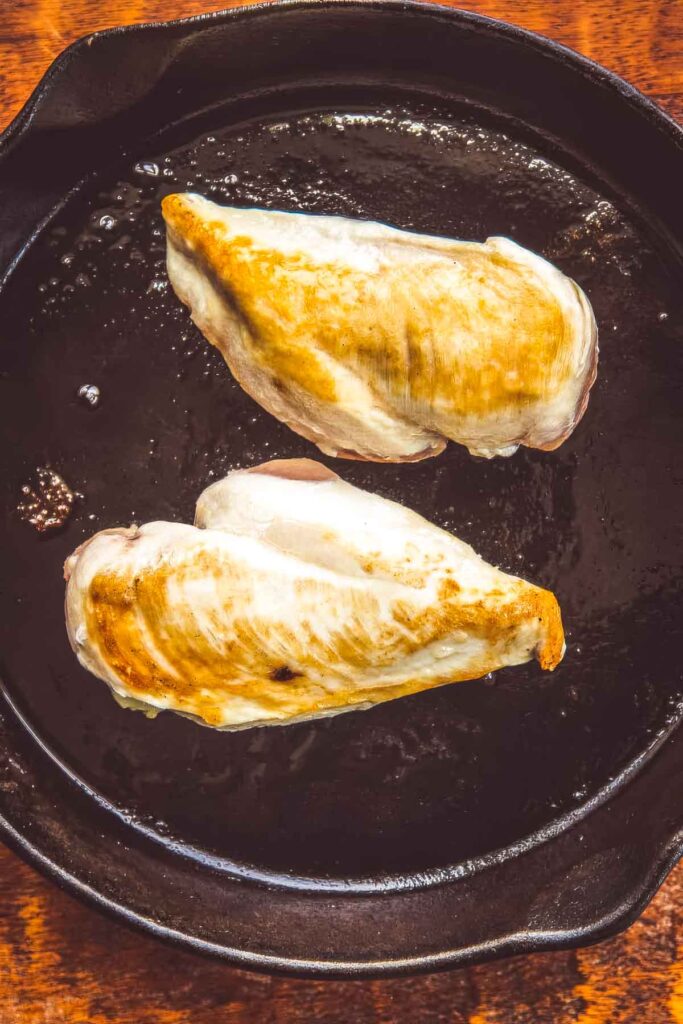
- Browning and Crisping: Take advantage of that dry skin! If roasting or baking, pat the chicken's skin dry and season as usual. You'll likely notice it browns more readily. When roasting a whole air chilled chicken, you can achieve a beautiful golden, crispy skin without any special tricks, which is one of the biggest culinary perks of using it. And when pan-searing or grilling, the chicken may sear better because there's less liquid oozing out (see our images as proof)!
- Flavor Absorption: It can also absorb marinades and seasonings without excess water in the meat to dilute them. Feel free to brine or marinate as you normally would; many find that the flavors come through a bit more. Even a simple salt and pepper seasoning really shines on a high-quality air chilled piece of chicken.
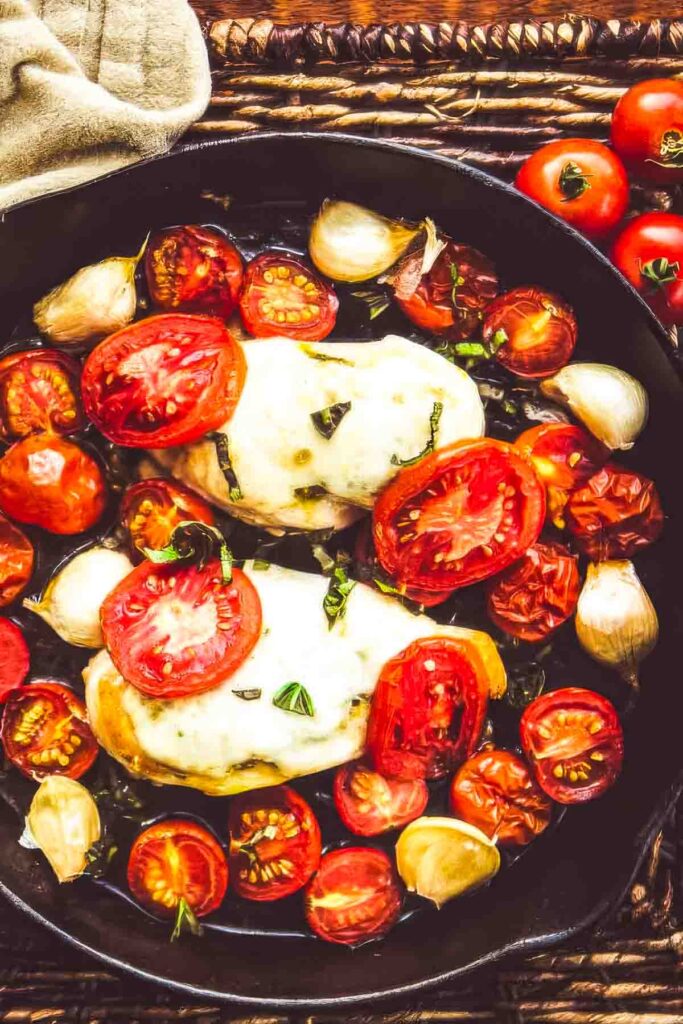
- Use in Any Recipe: You can use it in any recipe calling for chicken. There's no change needed to the recipe itself. Below is an example recipe that especially plays to its strengths. Try it out and see the difference for yourself!
Recipe: Tomato Basil Air Chilled Chicken
Here's a Tomato Basil Chicken recipe that uses chicken breasts that have been air chilled. It pairs juicy chicken with a flavorful burst of tomatoes, garlic, pesto, and melted mozzarella. It's a great weeknight meal that lets the quality of the chicken shine!
This recipe makes two servings, but it's easily scaled up to four. It's perfect for a quick dinner and highlights how the chicken stays moist and flavorful when baked. The lack of excess water means the chicken browns well in the first step and cooks to perfection without boiling in liquid, giving you a delicious result.



Tomato Basil Air Chilled Chicken
This recipe can easily be doubled to serve 4 people.
Ingredients
- 4 teaspoon extra-virgin olive oil,, divided
- 2 Air Chilled Chicken Breasts
- 1 cup cherry tomatoes,, halved if large
- 1 head garlic,, cloves separated and outer paper removed
- 2 tablespoon basil pesto
- 2 slices whole-milk mozzarella
- 2 tablespoon freshly chopped basil leaves
- coarse salt and freshly ground black pepper
Instructions
- Preheat oven to 350F. Season the chicken with salt and pepper.
- Heat an oven-safe skillet over medium-high heat. Add 2 teaspoon of the oil; add the chicken breasts when oil is shimmering. Brown chicken well on both sides, then remove from heat.
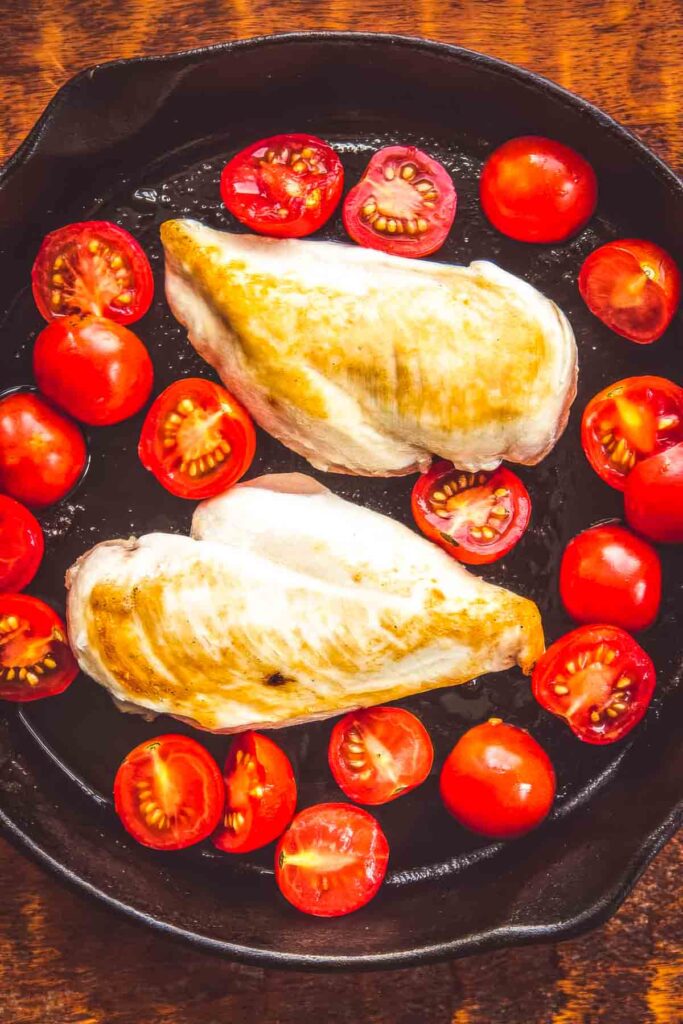
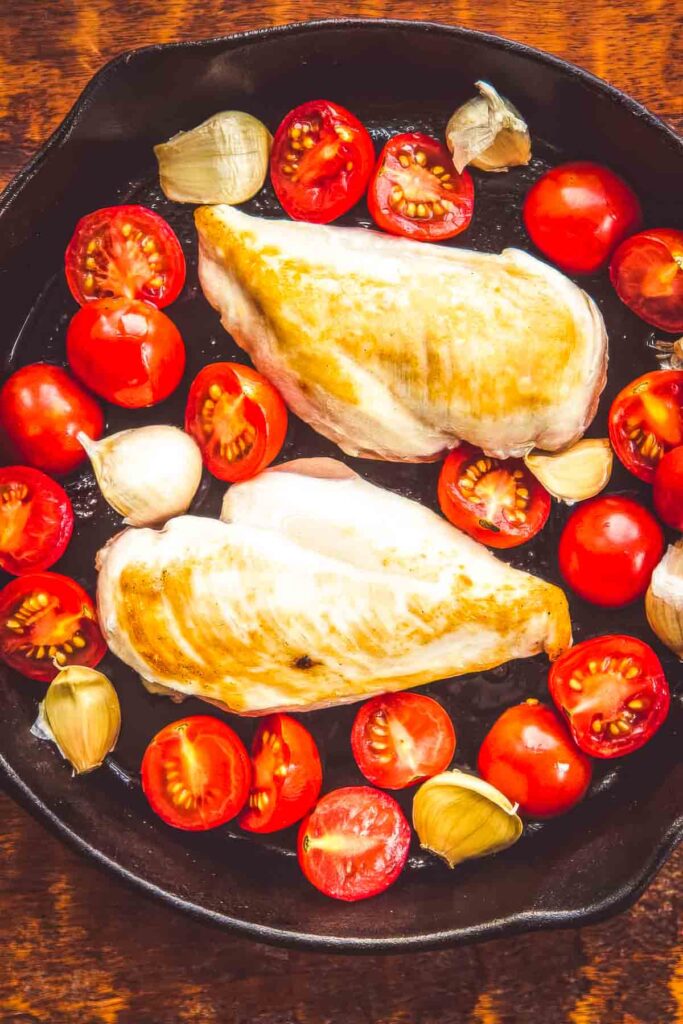
- Drizzle tomatoes and garlic with remaining olive oil, then add to the skillet. Top each chicken breast with a tablespoon of pesto, then a slice of cheese. Bake for 30 minutes or until chicken is cooked through.
- Sprinkle with the fresh basil and serve.
Nutrition Information:
Yield: 2 Serving Size: 1Amount Per Serving: Calories: 465Total Fat: 26gSaturated Fat: 7gTrans Fat: 0gUnsaturated Fat: 17gCholesterol: 124mgSodium: 516mgCarbohydrates: 10gFiber: 2gSugar: 3gProtein: 47g
This data was provided and calculated by Nutritionix.

- Easy Tater Tot Casserole - December 19, 2025
- Sausage Bean Soup (Stovetop or Instant Pot) - December 16, 2025
- Mediterranean Cottage Cheese Bowls - December 4, 2025
Leave a Reply